Year-Round Home Maintenance
A seasonal checklist that is the key to being a better homeowner, this guide will help you protect your home from future repairs.
Hunter Fowler
12/2/20258 min read
The Ultimate Year-Round Home Maintenance Guide: A Seasonal Checklist for Homeowners
Owning a home is a major milestone, but it doesn't come with an instruction manual. While the idea of "home maintenance" can sound intimidating or expensive, the truth is that consistency is key. Taking care of the small things today prevents the big, expensive disasters of tomorrow.
Think of your home’s exterior as its "envelope." If that envelope has holes, water gets in and heat gets out. This guide will help you keep that envelope tight, your energy bills low, and your home safe—season by season.
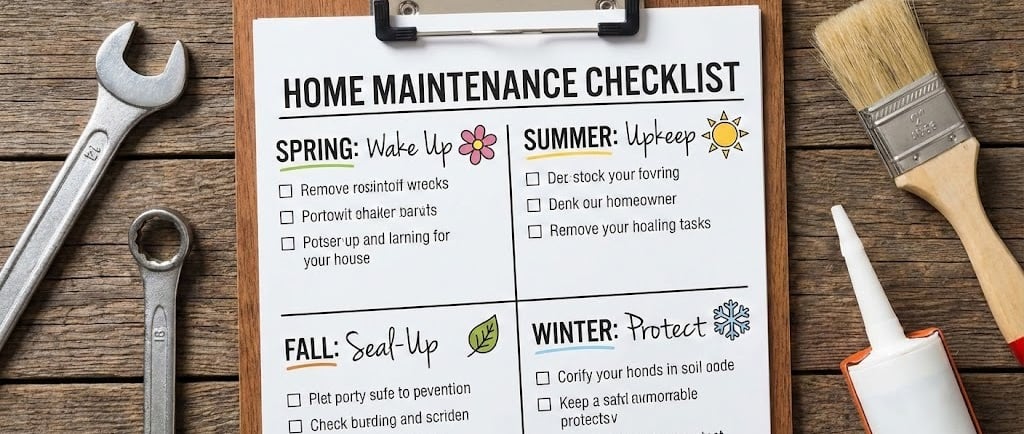
🌸 Spring: Wake Your Home Up
Focus: Recovering from winter and checking for water issues.
Exterior Checklist
Inspect the Roof: You don’t need to climb up there. Use binoculars from the ground to look for missing shingles or metal pipes that look damaged.
Clear the Gutters: April showers need somewhere to go. Remove leaves and debris so water flows away from your foundation.
Check Drainage: Ensure downspouts extend at least 3-5 feet away from the house.
Inspect Concrete: Look for cracks in the driveway or walkways that may have formed from freezing and thawing. Fill them with concrete filler to prevent them from getting worse.
Interior Checklist
Check the Sump Pump: This is critical! Pour a bucket of water into the pit to make sure the pump turns on and ejects the water.
Deep Clean Windows: Clean the glass and inspect the screens for holes.
Interior Caulk Check: Check the caulk lines around your bathtubs and showers. If you see gaps or black spots (mold), scrape it out and re-caulk with silicone kitchen/bath caulk to prevent water rot behind the tile.
☀️ Summer: Maintenance in the Heat
Focus: Exterior upkeep and interior efficiency.
Exterior Checklist
Landscaping Audit: Trim bushes and tree branches so they are at least a few feet away from your siding and roof. This allows airflow, which dries out damp siding and prevents mold.
Check Sprinklers: Walk your yard while the sprinklers are on to make sure heads aren't broken and spraying water directly onto your house.
Deck and Patio Care: Look for loose boards or protruding nails. If your wood deck looks dull and absorbs water instantly, it might be time to reseal it.
Interior Checklist
Dryer Vent Cleaning: Lint buildup is a major fire hazard. Disconnect the vent from the back of the dryer and vacuum it out.
Refrigerator Coils: Vacuum the dust off the coils (usually at the bottom or back of the fridge) to keep it running efficiently.
Monitor Humidity: Ensure your basement dehumidifier is running to keep mold at bay.
🍂 Fall: The Big Seal-Up (Critical Step!)
Focus: Sealing the "Envelope" and preparing for cold.
This is the most important season for caulking and sealing.
Exterior Caulking (The Water Barrier)
Why it matters: Water is your home's enemy. Small cracks in siding or trim allow water to seep behind the walls, causing rot and mold that you won't see until it’s too late.
What to caulk: Go around the house and look at where the siding meets the trim (windows, doors, corners). Also look around vents and where pipes enter the house.
The Right Material: Use a high-quality Exterior Mold-Resistant Caulk.
Why Mold-Resistant? Exterior surfaces stay damp. Regular caulk can turn black and crumble. Mold-resistant formulas contain fungicides that keep the seal intact and clean for years.
How to do it: If the old caulk is cracking or peeling, scrape it away with a putty knife. Clean the area, let it dry, and apply a smooth bead of new caulk.
Interior Sealing (The Air Barrier)
The "Candle Test": On a windy day, carefully hold a lit candle (or a stick of incense) near your window frames and door edges. If the flame flickers or smoke blows sideways, you have a draft.
Winter Caulking: Even in winter, you can caulk interior window trim to stop drafts. Use a "paintable latex caulk" for indoor trim.
Replace Weather Stripping:
Look at the rubber or foam seals around your front and back doors. Are they ripped? Flattened?
The Fix: This is a cheap, 10-minute fix. Peel off the old strip and stick on a new foam or rubber seal. This simple task can lower your heating bill significantly.
General Fall Checklist
Disconnect Hoses: This is the #1 cause of burst pipes. Disconnect all garden hoses and shut off the water to exterior faucets.
Furnace Tune-Up: Turn your heat on before the first freezing night to make sure it works. Replace the filter.
❄️ Winter: Protect and Monitor
Focus: Preventing damage and indoor air quality.
Exterior Checklist
Ice Dam Watch: Keep an eye on the roof. If you see massive icicles hanging from the gutters, you may have heat escaping your attic.
Keep Vents Clear: Ensure snow drifts aren't blocking your furnace or dryer exhaust vents outside.
Interior Checklist
Draft Patrol: If you missed the Fall window sealing, you can use temporary rope caulk (it looks like gray clay) to press into gaps around drafty windows. It peels off easily in the spring without damaging paint.
Clean Drains: Pour a mixture of baking soda and vinegar down sink and tub drains to break up buildup.
The "Simple Things" vs. Calling a Pro
Doing it yourself is rewarding, but knowing your limits is smart homeownership.
Do It Yourself:
Caulking: Low risk, high reward. It saves energy and prevents water damage.
Weather Stripping: Peel-and-stick options make this very easy.
Changing Filters: The easiest way to extend the life of your HVAC.
Call a Professional When:
Tall Ladder Work: If you are uncomfortable on a ladder to reach second-story gutters or siding, call a pro. A fall isn't worth the savings.
Electrical Work: Changing a lightbulb is fine; rewiring a switch or panel is dangerous.
Major Drafts: If you seal your windows but still feel a massive breeze, you may have insulation issues in the walls or attic that require an energy audit.
Structural Cracks: Hairline cracks in concrete are normal; cracks wide enough to fit a coin into usually indicate a foundation issue that needs an engineer.
Final Thoughts
Home maintenance isn't about being a construction expert; it's about being observant. A $10 tube of caulk and an afternoon of inspection can save you thousands in rot repair and heating bills. Start small, follow the seasons, and your home will thank you.
The Ultimate Year-Round Home Maintenance Guide: A Seasonal Checklist for Homeowners
Owning a home is a major milestone, but it doesn't come with an instruction manual. While the idea of "home maintenance" can sound intimidating or expensive, the truth is that consistency is key. Taking care of the small things today prevents the big, expensive disasters of tomorrow.
Think of your home’s exterior as its "envelope." If that envelope has holes, water gets in and heat gets out. This guide will help you keep that envelope tight, your energy bills low, and your home safe—season by season.
🌸 Spring: Wake Your Home Up
Focus: Recovering from winter and checking for water issues.
Exterior Checklist
Inspect the Roof: You don’t need to climb up there. Use binoculars from the ground to look for missing shingles or metal pipes that look damaged.
Clear the Gutters: April showers need somewhere to go. Remove leaves and debris so water flows away from your foundation.
Check Drainage: Ensure downspouts extend at least 3-5 feet away from the house.
Inspect Concrete: Look for cracks in the driveway or walkways that may have formed from freezing and thawing. Fill them with concrete filler to prevent them from getting worse.
Interior Checklist
Check the Sump Pump: This is critical! Pour a bucket of water into the pit to make sure the pump turns on and ejects the water.
Deep Clean Windows: Clean the glass and inspect the screens for holes.
Interior Caulk Check: Check the caulk lines around your bathtubs and showers. If you see gaps or black spots (mold), scrape it out and re-caulk with silicone kitchen/bath caulk to prevent water rot behind the tile.
☀️ Summer: Maintenance in the Heat
Focus: Exterior upkeep and interior efficiency.
Exterior Checklist
Landscaping Audit: Trim bushes and tree branches so they are at least a few feet away from your siding and roof. This allows airflow, which dries out damp siding and prevents mold.
Check Sprinklers: Walk your yard while the sprinklers are on to make sure heads aren't broken and spraying water directly onto your house.
Deck and Patio Care: Look for loose boards or protruding nails. If your wood deck looks dull and absorbs water instantly, it might be time to reseal it.
Interior Checklist
Dryer Vent Cleaning: Lint buildup is a major fire hazard. Disconnect the vent from the back of the dryer and vacuum it out.
Refrigerator Coils: Vacuum the dust off the coils (usually at the bottom or back of the fridge) to keep it running efficiently.
Monitor Humidity: Ensure your basement dehumidifier is running to keep mold at bay.
🍂 Fall: The Big Seal-Up (Critical Step!)
Focus: Sealing the "Envelope" and preparing for cold.
This is the most important season for caulking and sealing.
Exterior Caulking (The Water Barrier)
Why it matters: Water is your home's enemy. Small cracks in siding or trim allow water to seep behind the walls, causing rot and mold that you won't see until it’s too late.
What to caulk: Go around the house and look at where the siding meets the trim (windows, doors, corners). Also look around vents and where pipes enter the house.
The Right Material: Use a high-quality Exterior Mold-Resistant Caulk.
Why Mold-Resistant? Exterior surfaces stay damp. Regular caulk can turn black and crumble. Mold-resistant formulas contain fungicides that keep the seal intact and clean for years.
How to do it: If the old caulk is cracking or peeling, scrape it away with a putty knife. Clean the area, let it dry, and apply a smooth bead of new caulk.
Interior Sealing (The Air Barrier)
The "Candle Test": On a windy day, carefully hold a lit candle (or a stick of incense) near your window frames and door edges. If the flame flickers or smoke blows sideways, you have a draft.
Winter Caulking: Even in winter, you can caulk interior window trim to stop drafts. Use a "paintable latex caulk" for indoor trim.
Replace Weather Stripping:
Look at the rubber or foam seals around your front and back doors. Are they ripped? Flattened?
The Fix: This is a cheap, 10-minute fix. Peel off the old strip and stick on a new foam or rubber seal. This simple task can lower your heating bill significantly.
General Fall Checklist
Disconnect Hoses: This is the #1 cause of burst pipes. Disconnect all garden hoses and shut off the water to exterior faucets.
Furnace Tune-Up: Turn your heat on before the first freezing night to make sure it works. Replace the filter.
❄️ Winter: Protect and Monitor
Focus: Preventing damage and indoor air quality.
Exterior Checklist
Ice Dam Watch: Keep an eye on the roof. If you see massive icicles hanging from the gutters, you may have heat escaping your attic.
Keep Vents Clear: Ensure snow drifts aren't blocking your furnace or dryer exhaust vents outside.
Interior Checklist
Draft Patrol: If you missed the Fall window sealing, you can use temporary rope caulk (it looks like gray clay) to press into gaps around drafty windows. It peels off easily in the spring without damaging paint.
Clean Drains: Pour a mixture of baking soda and vinegar down sink and tub drains to break up buildup.
The "Simple Things" vs. Calling a Pro
Doing it yourself is rewarding, but knowing your limits is smart homeownership.
Do It Yourself:
Caulking: Low risk, high reward. It saves energy and prevents water damage.
Weather Stripping: Peel-and-stick options make this very easy.
Changing Filters: The easiest way to extend the life of your HVAC.
Call a Professional When:
Tall Ladder Work: If you are uncomfortable on a ladder to reach second-story gutters or siding, call a pro. A fall isn't worth the savings.
Electrical Work: Changing a lightbulb is fine; rewiring a switch or panel is dangerous.
Major Drafts: If you seal your windows but still feel a massive breeze, you may have insulation issues in the walls or attic that require an energy audit.
Structural Cracks: Hairline cracks in concrete are normal; cracks wide enough to fit a coin into usually indicate a foundation issue that needs an engineer.
Final Thoughts
Home maintenance isn't about being a construction expert; it's about being observant. A $10 tube of caulk and an afternoon of inspection can save you thousands in rot repair and heating bills. Start small, follow the seasons, and your home will thank you.