Holland, MI: 2026 Property Tax Breakdown
Everything Changing for Holland Property Taxes This Year (2026 Edition)
Hunter Fowler, Greenridge Realty
1/27/20268 min read
Holland, MI Property Taxes: A Simple Guide for 2026
Navigating property taxes in West Michigan can often feel like trying to hit a moving target—especially in a unique community like Holland that spans both Ottawa and Allegan counties. Whether you are a long-time homeowner, a first-time buyer, or an investor looking for your next property, understanding the 2026 tax landscape is the key to protecting your investment and avoiding "sticker shock" after a purchase. From the nuances of millage rates to critical upcoming deadlines, this guide breaks down everything you need to know to stay informed and budget with confidence this year.
What’s Changing for Holland Property Taxes in 2026?
1. The "Headlee Override" Impact
In late 2025, City leaders proposed a Headlee Override to voters. Under Michigan's Headlee Amendment, millage rates are often "rolled back" automatically as property values rise. City leaders in Holland argued that these rollbacks were beginning to limit the city's ability to fund essential services.
The Result: Depending on the final vote certifications, residents may see a slight stabilization or increase in the city-level millage rate for the 2026 tax year to ensure public services remain fully funded.
2. New Automatic Exemptions for Disabled Veterans
Perhaps the most significant legislative change for 2026 is the streamlining of the Disabled Veterans Property Tax Exemption.
Old Way: Veterans had to re-apply for their property tax exemption every single year.
2026 Update: Once an exemption is granted, it now remains in place automatically until it is rescinded by the owner or denied by the assessor. This removes a massive amount of "red tape" for Holland’s veteran community.
3. Updated "Notice of Assessment" Forms
Starting in late February 2026, the City of Holland will mail out new Assessment Notices. Pay close attention to the Inflation Rate Multiplier. For 2026, this multiplier (set by the state) determines how much your "capped" taxable value can increase. Even if your home value stayed the same, this state-mandated adjustment usually results in a small, predictable increase in your annual bill.
A Simple Guide to further understand
1. The Three Numbers That Matter
Think of your home’s value in three different ways:
Market Value: What you could sell your house for today.
Assessed Value: Exactly 50% of your Market Value (set by the city).
Taxable Value: This is the only number used to calculate your bill. Thanks to Michigan law, this number stays "capped"—it can only grow by a tiny bit each year (usually inflation), even if your home’s value skyrockets.
2. What are "Mills"?
The word Mills comes from the Latin word millesimum, meaning "one-thousandth." It’s the same root word as "millimeter". Michigan uses "millage rates" to calculate taxes, so 1 Mill = $1.00 of tax for every $1,000 of your home's Taxable Value.
3. A Real-World Example
Let’s say you own a home in the City of Holland (Ottawa side) worth $300,000.
Your Assessed Value is $150,000.
Because you've lived there a while, your Taxable Value is only $130,000.
Your Bill: $130 (thousands) x 42.03 (mills) = $5,463 per year.
Example 2: A $200,000 Holland Home
If your home has a Taxable Value of $100,000 (roughly a $200k market value) and your total millage is 42 mills:
Divide $100,000 by 1,000 = 100
Multiply 100 by 42 mills = $4,200
4. Important 2026 Dates
February 17, 2026: Last day to pay your Winter taxes without a penalty.
Late February 2026: You’ll get a "Notice of Assessment" in the mail. Don't throw this away! It tells you what your taxes will be for the rest of the year.
March 9, 2026: The Board of Review begins. If you think your home was valued too high, this is your only time to speak up.
June 1, 2026: Deadline to tell the city if this is your primary home (so you get the lower tax rate).
5. The "New Buyer" Warning
If you bought your home in 2025, your 2026 taxes will likely jump up. This is called "Uncapping." The year after a house is sold, the Taxable Value is reset to match the Assessed Value. You lose the previous owner's "cap," and your taxes "catch up" to the current market.
Summary: Your 2026 Holland Property Tax Cheat Sheet
Property taxes in Holland don't have to be a mystery. If you remember nothing else from this guide, keep these four golden rules in mind for 2026:
Location is Everything: Because Holland sits in both Ottawa and Allegan counties, your tax rate can change just by crossing the street. Always verify which county a property sits in before estimating your payment.
The "Uncapping" Rule: If you bought a home last year, your taxes will go up this year. This is a one-time reset to the current market value. After that, your taxes are "capped" again and can only grow by a small percentage annually.
March is Your Only Window: Your Notice of Assessment arrives in late February. If the value seems wrong, you must act by March 9, 2026, to appeal. Once that window closes, your tax rate is locked for the year.
New Savings for Veterans: 2026 marks the first year that the Disabled Veterans Exemption becomes "permanent." Once you’re approved, the city handles the rest—no more annual paperwork.
The Bottom Line
In a market like West Michigan, being a "smart homeowner" means knowing your numbers. Whether you’re settling into a new home or looking for your next investment, staying on top of these dates and rules ensures there are no surprises when the tax bill arrives in July.
Why This Matters for You
When you see a local ballot proposal asking for "0.5 mills for the fire department," you can now do the math instantly: for a home with a $150,000 taxable value, that’s just $75 a year.
Further Resources:
If you are buying a home in Holland or in West Michigan Click HERE for a free property Tax Estimator.
Have you noticed a change in your assessment this year? Comment below or send me a message for a free valuation! Click HERE for a free no obligation home evaluation by one of our professionals.
Holland, MI Property Taxes: A Simple Guide for 2026
Navigating property taxes in West Michigan can often feel like trying to hit a moving target—especially in a unique community like Holland that spans both Ottawa and Allegan counties. Whether you are a long-time homeowner, a first-time buyer, or an investor looking for your next property, understanding the 2026 tax landscape is the key to protecting your investment and avoiding "sticker shock" after a purchase. From the nuances of millage rates to critical upcoming deadlines, this guide breaks down everything you need to know to stay informed and budget with confidence this year.
What’s Changing for Holland Property Taxes in 2026?
1. The "Headlee Override" Impact
In late 2025, City leaders proposed a Headlee Override to voters. Under Michigan's Headlee Amendment, millage rates are often "rolled back" automatically as property values rise. City leaders in Holland argued that these rollbacks were beginning to limit the city's ability to fund essential services.
The Result: Depending on the final vote certifications, residents may see a slight stabilization or increase in the city-level millage rate for the 2026 tax year to ensure public services remain fully funded.
2. New Automatic Exemptions for Disabled Veterans
Perhaps the most significant legislative change for 2026 is the streamlining of the Disabled Veterans Property Tax Exemption.
Old Way: Veterans had to re-apply for their property tax exemption every single year.
2026 Update: Once an exemption is granted, it now remains in place automatically until it is rescinded by the owner or denied by the assessor. This removes a massive amount of "red tape" for Holland’s veteran community.
3. Updated "Notice of Assessment" Forms
Starting in late February 2026, the City of Holland will mail out new Assessment Notices. Pay close attention to the Inflation Rate Multiplier. For 2026, this multiplier (set by the state) determines how much your "capped" taxable value can increase. Even if your home value stayed the same, this state-mandated adjustment usually results in a small, predictable increase in your annual bill.
A Simple Guide
1. The Three Numbers That Matter
Think of your home’s value in three different ways:
Market Value: What you could sell your house for today.
Assessed Value: Exactly 50% of your Market Value (set by the city).
Taxable Value: This is the only number used to calculate your bill. Thanks to Michigan law, this number stays "capped"—it can only grow by a tiny bit each year (usually inflation), even if your home’s value skyrockets.
2. What are "Mills"?
The word Mills comes from the Latin word millesimum, meaning "one-thousandth." It’s the same root word as "millimeter". Michigan uses "millage rates" to calculate taxes, so 1 Mill = $1.00 of tax for every $1,000 of your home's Taxable Value.
3. A Real-World Example
Let’s say you own a home in the City of Holland (Ottawa side) worth $300,000.
Your Assessed Value is $150,000.
Because you've lived there a while, your Taxable Value is only $130,000.
Your Bill: $130 (thousands) x 42.03 (mills) = $5,463 per year.
Example 2: A $200,000 Holland Home
If your home has a Taxable Value of $100,000 (roughly a $200k market value) and your total millage is 42 mills:
Divide $100,000 by 1,000 = 100
Multiply 100 by 42 mills = $4,200
4. Important 2026 Dates
February 17, 2026: Last day to pay your Winter taxes without a penalty.
Late February 2026: You’ll get a "Notice of Assessment" in the mail. Don't throw this away! It tells you what your taxes will be for the rest of the year.
March 9, 2026: The Board of Review begins. If you think your home was valued too high, this is your only time to speak up.
June 1, 2026: Deadline to tell the city if this is your primary home (so you get the lower tax rate).
5. The "New Buyer" Warning
If you bought your home in 2025, your 2026 taxes will likely jump up. This is called "Uncapping." The year after a house is sold, the Taxable Value is reset to match the Assessed Value. You lose the previous owner's "cap," and your taxes "catch up" to the current market.
Summary: Your 2026 Holland Property Tax Cheat Sheet
Property taxes in Holland don't have to be a mystery. If you remember nothing else from this guide, keep these four golden rules in mind for 2026:
Location is Everything: Because Holland sits in both Ottawa and Allegan counties, your tax rate can change just by crossing the street. Always verify which county a property sits in before estimating your payment.
The "Uncapping" Rule: If you bought a home last year, your taxes will go up this year. This is a one-time reset to the current market value. After that, your taxes are "capped" again and can only grow by a small percentage annually.
March is Your Only Window: Your Notice of Assessment arrives in late February. If the value seems wrong, you must act by March 9, 2026, to appeal. Once that window closes, your tax rate is locked for the year.
New Savings for Veterans: 2026 marks the first year that the Disabled Veterans Exemption becomes "permanent." Once you’re approved, the city handles the rest—no more annual paperwork.
The Bottom Line
In a market like West Michigan, being a "smart homeowner" means knowing your numbers. Whether you’re settling into a new home or looking for your next investment, staying on top of these dates and rules ensures there are no surprises when the tax bill arrives in July.
Why This Matters for You
When you see a local ballot proposal asking for "0.5 mills for the fire department," you can now do the math instantly: for a home with a $150,000 taxable value, that’s just $75 a year.
Further Resources:
If you are buying a home in Holland or in West Michigan Click HERE for a free property Tax Estimator.
Have you noticed a change in your assessment this year? Comment below or send me a message for a free valuation! Click HERE for a free no obligation home evaluation by one of our professionals.
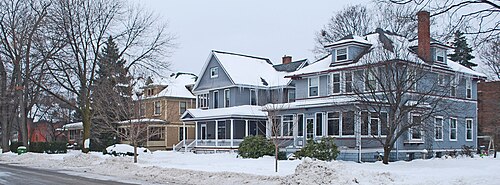
Holland was founded in 1847 by immigrants from The Netherlands led by the Rev. Albertus C. Van Raalte.
Holland was founded in 1847 by immigrants from The Netherlands led by the Rev. Albertus C. Van Raalte.